does type 1 diabetes cause hypoglycemia What is hyperglycemia?
February is not just a month of valentine’s day and love; it is also the month dedicated to raising awareness about type 1 diabetes. Type 1 diabetes is a chronic condition where the body does not produce enough insulin, a hormone needed to control blood sugar levels. It is important to understand the causes and symptoms of this disease to ensure timely diagnosis and effective management.
Causes of Type 1 Diabetes
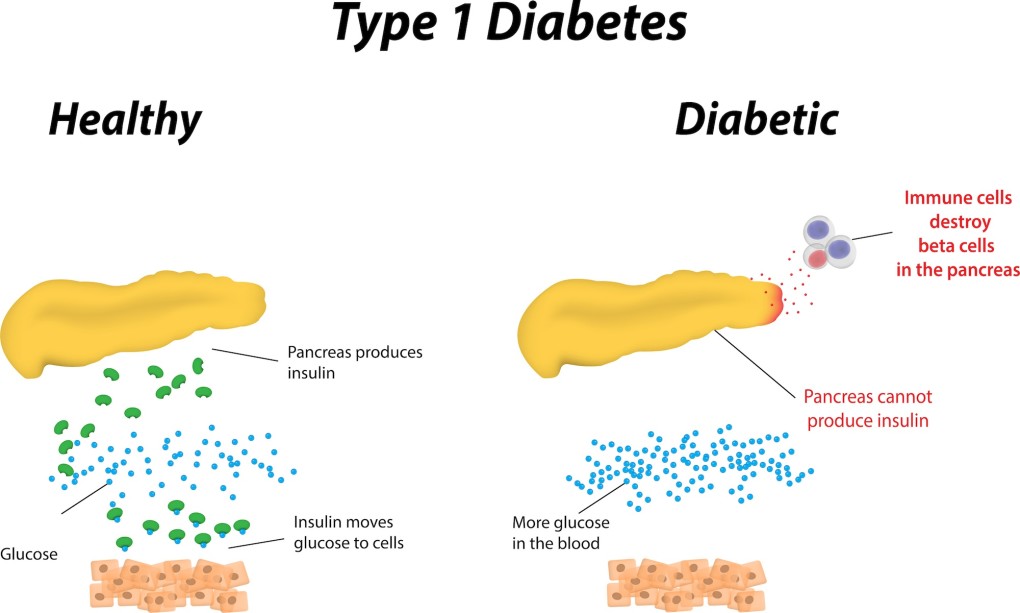
 Type 1 diabetes is an autoimmune disease, which means that the body’s immune system mistakenly attacks the insulin-producing cells in the pancreas. While the exact cause of this autoimmune response is still unknown, researchers believe that genetic and environmental factors play a role. Some individuals may have a genetic predisposition to developing type 1 diabetes, but additional factors, such as viral infections or exposure to certain toxins, may trigger the autoimmune response.
It is important to note that type 1 diabetes is not related to lifestyle choices or diet. It can affect individuals of any age, although it is most commonly diagnosed during childhood or adolescence.
Symptoms of Type 1 Diabetes
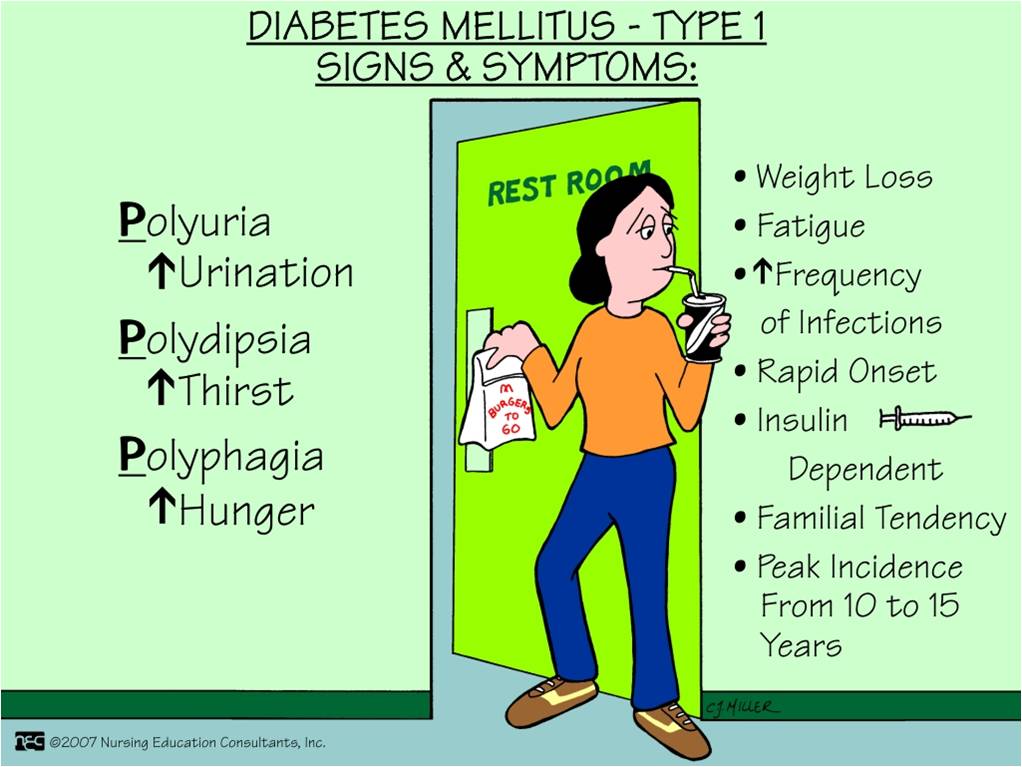
Recognizing the early signs of type 1 diabetes is crucial for prompt diagnosis and treatment. Common symptoms include:
- Excessive thirst
- Frequent urination
- Unexplained weight loss
- Feeling tired or lethargic
- Constant hunger
If you or your loved ones experience these symptoms, it’s important to consult a healthcare professional for proper evaluation. Early intervention can help prevent potentially life-threatening complications.
Managing Type 1 Diabetes
While there is currently no cure for type 1 diabetes, it can be effectively managed with proper medical care and lifestyle adjustments. Treatment generally involves:
- Insulin therapy: Individuals with type 1 diabetes need insulin injections or use an insulin pump to manage blood sugar levels.
- Dietary modifications: A balanced diet, focusing on whole foods and monitoring carbohydrate intake, can help maintain stable blood sugar levels.
- Regular exercise: Physical activity plays a crucial role in managing blood sugar levels and overall well-being.
- Monitoring blood sugar levels: Regular testing of blood sugar levels helps individuals make informed decisions about insulin dosage and lifestyle adjustments.
It is important for individuals with type 1 diabetes to work closely with healthcare professionals, including endocrinologists, dietitians, and diabetes educators. They can provide personalized guidance and support to help individuals effectively manage their condition and reduce the risk of long-term complications.
Hypoglycemia: What Is It, Causes, Testing, Treatment, and More
 In addition to understanding type 1 diabetes, it’s also important to be aware of related conditions such as hypoglycemia. Hypoglycemia refers to low blood sugar levels, which can occur in individuals with diabetes, including type 1 diabetes. It is important to recognize the causes, symptoms, and appropriate management of hypoglycemia.
Hypoglycemia can occur when blood sugar levels drop below normal range (generally below 70 mg/dL). This can happen due to various reasons, including:
- Skipping or delaying meals
- Excessive physical activity
- Taking too much insulin or other diabetes medications
- Drinking alcohol without eating enough
The symptoms of hypoglycemia can vary from mild to severe and may include:
- Shakiness or tremors
- Sweating
- Blurred vision
- Dizziness
- Confusion
- Loss of consciousness
If left untreated, severe hypoglycemia can be life-threatening. Immediate treatment is necessary to raise blood sugar levels. This can be achieved by consuming foods or beverages containing carbohydrates, such as fruit juice, sugar tablets, or glucose gel. In some cases, glucagon injections may be required.
Individuals with type 1 diabetes or those at risk of hypoglycemia should always carry a source of fast-acting sugar with them, such as glucose tablets or a small bottle of juice, to treat low blood sugar levels promptly.
It is important to stay vigilant and regularly monitor blood sugar levels to prevent hypoglycemia episodes. Healthcare professionals can provide guidance on appropriate monitoring techniques and help individuals develop personalized strategies to prevent and manage hypoglycemia.
In conclusion, understanding the causes, symptoms, and management of type 1 diabetes and related conditions like hypoglycemia is crucial for those affected by these conditions and their loved ones. By raising awareness and promoting education, we can empower individuals to live fulfilling lives while effectively managing their health.
If you are searching about Hypoglycemia: What Is It, Causes, Testing, Treatment, and More | Osmosis you’ve came to the right web. We have 5 Pictures about Hypoglycemia: What Is It, Causes, Testing, Treatment, and More | Osmosis like Type 1 Diabetes - My Health Explained, Hypoglycemia: What Is It, Causes, Testing, Treatment, and More | Osmosis and also February 2013. Here you go:
Hypoglycemia: What Is It, Causes, Testing, Treatment, And More | Osmosis
www.osmosis.orghypoglycemia does treatment causes osmosis mean
Diabetes Mellitus - Type 1 Signs & Symptoms-ABC Medicine
 abcmedicine2.blogspot.comdiabetes type nursing mellitus symptoms signs mnemonics insipidus vs abc medicine diabetic tipo triad polydipsia insulin visit medical school dental
What Is Hyperglycemia? - Health N Well.com
 healthnwell.comhyperglycemia healthnwell
February 2013
www.dreamresearchgroup.comdiabetes type causes mellitus insulin pancreas education patients form cause glucose
Type 1 Diabetes - My Health Explained
 www.myhealthexplained.commellitus diabete langerhans autoimmune islets infanto juvenil genetics medlineplus insulina azione insulin enfermedad glucose type1 levels lada latent
Mellitus diabete langerhans autoimmune islets infanto juvenil genetics medlineplus insulina azione insulin enfermedad glucose type1 levels lada latent. Diabetes type causes mellitus insulin pancreas education patients form cause glucose. Hyperglycemia healthnwell